
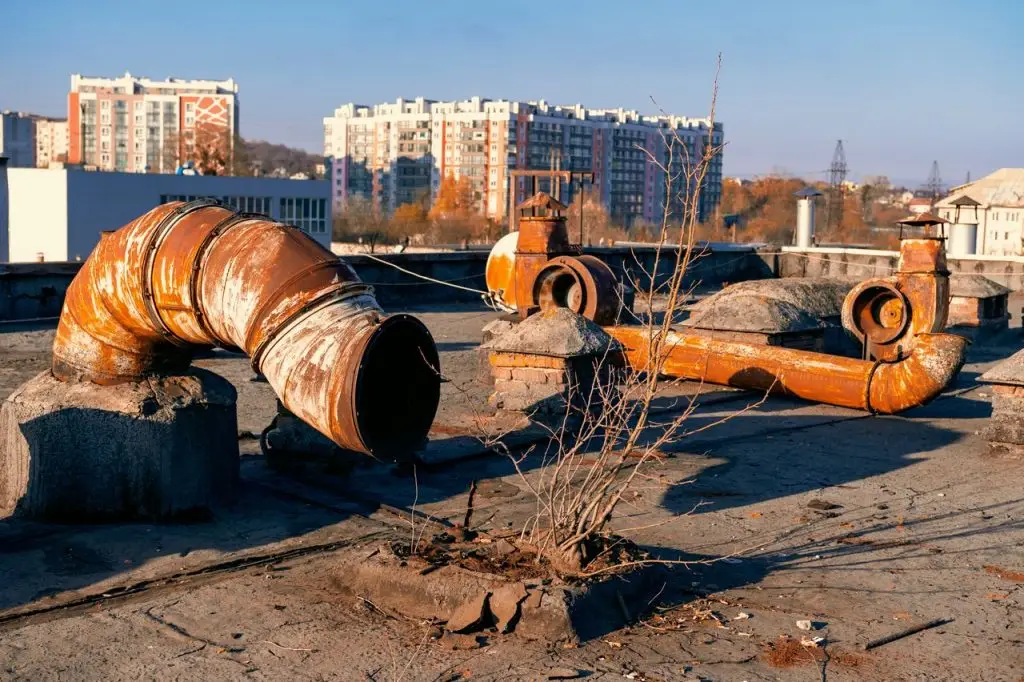
The pipes hidden behind your walls and beneath your floors may be decades old, quietly shaping the safety of every drop you drink, and when those aging systems begin to deteriorate, water testing labs in Manhattan often become the first line of defense in catching problems before they threaten health. Old pipes are one of the most common and overlooked causes of water quality issues in older buildings.
This article explains how aging pipes affect your water, the specific contaminants they can introduce, the warning signs to watch for, and why professional testing is essential for anyone living in or managing an older property. Understanding these risks empowers you to protect your household, tenants, or customers before a hidden problem becomes a serious concern.
Why Old Pipes Are Such a Common Problem in Manhattan
Manhattan is filled with historic and older buildings, many constructed long before modern plumbing standards existed. While these structures offer charm and character, their aging infrastructure often includes pipes that have been in service for decades. Over time, these pipes degrade, corrode, and accumulate deposits that can compromise water quality.
The challenge is that plumbing is largely invisible. Homeowners and property managers rarely see the interior condition of their pipes, which means problems can develop silently until they manifest as discoloration, odd tastes, or health concerns. This hidden nature makes proactive testing all the more important.
How Aging Pipes Affect Your Water Quality
Old pipes influence water quality through several distinct mechanisms, each capable of introducing contaminants or degrading safety.
Corrosion and Metal Leaching
As metal pipes age, they corrode from the inside out. This corrosion can release metals such as iron, copper, and lead into your water. Lead is especially dangerous, and even small amounts pose serious health risks, particularly to children and pregnant women.
Corroded pipes often produce a metallic taste, rusty discoloration, and staining on fixtures and laundry.
Lead Pipes and Lead Solder
Buildings constructed before the late 1980s may contain lead pipes or lead-based solder connecting copper pipes. As water sits in these pipes, lead can leach into it. Because lead is invisible, odorless, and tasteless, testing is the only reliable way to detect its presence.
Sediment and Rust Buildup
Over the years, sediment, rust, and mineral deposits accumulate inside pipes. These particles can break loose and enter your water, causing cloudiness, discoloration, and unpleasant taste. Buildup also restricts water flow and can trap contaminants.
Bacterial Growth
Aging pipes with rough interior surfaces, scale, and corrosion provide ideal environments for bacterial growth. Biofilm can form inside pipes, potentially harboring harmful microorganisms that enter your drinking water.
Pipe Joint and Seal Deterioration
As pipes age, joints, seals, and connections weaken. These vulnerable points can allow contaminants from the surrounding environment to enter the water supply, especially where pipes are damaged or leaking.
Common Pipe Materials and Their Risks
Different pipe materials carry different risks, and knowing what your building contains helps you understand your exposure.
Lead Pipes
The most hazardous option, lead pipes can leach lead directly into water. They are most common in very old buildings and should be a top priority for testing and replacement.
Galvanized Steel Pipes
These older pipes corrode over time, releasing iron and creating rust. They can also trap lead particles from upstream sources, releasing them into the water later.
Copper Pipes with Lead Solder
While copper itself is relatively stable, older copper systems were often joined with lead solder, which can contaminate water at the joints.
Aging Cast Iron
Cast iron pipes are prone to rust and corrosion, contributing to discoloration, sediment, and taste issues as they deteriorate.
Warning Signs That Old Pipes May Be Affecting Your Water
Your water often provides clues when aging pipes are causing problems. Watch for these signs.
- Discolored water: Brown, yellow, or rusty water suggests corrosion or sediment.
- Metallic taste: A metallic or bitter flavor can indicate metals leaching from pipes.
- Cloudy water: Murkiness may point to sediment or mineral buildup.
- Staining: Rust-colored or blue-green stains on fixtures indicate metal contamination.
- Low water pressure: Reduced flow can result from internal corrosion and buildup.
- Frequent leaks: Recurring leaks signal deteriorating pipes and potential contamination points.
Even without visible symptoms, dangerous contaminants like lead can be present, which is why testing remains essential regardless of appearances.
Who Is Most at Risk
Certain properties and residents face greater exposure to old-pipe water quality issues.
Residents of Older Buildings
Anyone living in a building constructed before modern plumbing codes should be especially attentive, as these structures are more likely to contain lead and corroded pipes.
Property Managers
Managers of older multi-unit buildings bear responsibility for tenant safety. Aging pipes, combined with rooftop tanks and complex plumbing, make regular testing a critical duty.
Families with Vulnerable Members
Households with young children, pregnant women, or elderly residents should prioritize testing, as these groups are most susceptible to the health effects of contaminants like lead.
Why Professional Water Testing Is the Solution
Because the most dangerous pipe-related contaminants are invisible, professional testing is the only reliable way to know what is truly in your water. Visual inspection and taste cannot detect lead, bacteria, or many other hazards.
What Testing Reveals
- Lead and heavy metals: Critical for older buildings with aging plumbing.
- Bacteria: Including coliform and E. coli linked to pipe biofilm.
- Iron and copper: Indicators of corrosion and metal leaching.
- Sediment and turbidity: Measures of buildup and water clarity.
- pH and corrosivity: Factors that reveal how aggressively water may damage pipes.
With accurate results in hand, you can make informed decisions about filtration, pipe replacement, or other corrective measures.
Steps to Protect Your Water in an Older Building
While testing is the foundation, a few proactive measures help safeguard your water quality.
- Schedule regular testing: Annual testing catches problems early, especially in older properties.
- Flush stagnant water: Run taps briefly after periods of non-use to clear standing water from pipes.
- Consider filtration: Certified filters can reduce specific contaminants like lead.
- Plan pipe replacement: Replacing lead and heavily corroded pipes offers the most lasting protection.
- Maintain the system: Address leaks and corrosion promptly to prevent contamination.
Frequently Asked Questions
How do I know if my building has old or lead pipes?
Buildings constructed before the late 1980s are more likely to contain lead pipes or lead solder. Since lead is invisible and tasteless, professional water testing is the only reliable way to confirm its presence.
Can old pipes really affect clean municipal water?
Yes. Even high-quality municipal water can become contaminated as it passes through aging, corroded pipes inside your building, picking up lead, metals, sediment, and bacteria along the way.
What are the biggest health risks from old pipes?
The most serious risk is lead contamination, which is especially harmful to children and pregnant women. Bacterial growth and metal leaching from corrosion also pose meaningful health concerns.
Should I replace my old pipes or just filter my water?
Testing results guide this decision. Filtration can reduce certain contaminants, but replacing lead or severely corroded pipes offers the most complete, long-term protection. A professional can help you weigh the options.
How often should older buildings test their water?
Older buildings should test at least annually, and more frequently if warning signs appear or after plumbing work. Regular testing is essential given the higher risks associated with aging infrastructure.
Don’t Let Aging Pipes Compromise Your Water
Old pipes are a silent but significant threat to water quality, capable of introducing lead, metals, sediment, and bacteria long after water leaves a clean municipal source. In a city full of historic buildings, understanding and addressing these risks is essential for protecting the health of everyone who depends on your water. The first and most important step is knowing exactly what is in your water.
Olympian Water Testing helps homeowners, property managers, and residents throughout Manhattan uncover hidden pipe-related water quality issues with accurate, accredited testing and expert guidance. Don’t wait for discoloration or a health scare to take action. Contact Olympian Water Testing today to test your water, understand your risks, and protect your property with the confidence that comes from knowing your water is truly safe.