A water testing laboratory in Manhattan can only deliver accurate results if the testing process itself is done correctly, yet many people unknowingly sabotage their own water tests before the sample ever reaches the lab. Understanding these common mistakes is the difference between meaningful, actionable data and misleading results that leave you with a false sense of safety or unnecessary alarm.
This article explores the most frequent errors people make when testing their water, why these mistakes matter, and how to ensure your testing delivers reliable, trustworthy results. Whether you’re a first-time tester or someone who tests regularly, avoiding these pitfalls will help you protect your household, tenants, or business with confidence.
Why Getting Water Testing Right Matters So Much
Water testing is only valuable when it’s accurate. A flawed test can produce false results in either direction, telling you your water is safe when it isn’t, or triggering costly, unnecessary action over a problem that doesn’t exist. Both outcomes undermine the entire purpose of testing.
Because water quality decisions affect health, safety, and finances, accuracy is non-negotiable. Understanding where the process commonly goes wrong empowers you to sidestep these errors and secure results you can genuinely rely on.
Common Mistakes People Make When Testing Their Water
From sample collection to timing, several missteps can compromise your results. Here are the ones to watch for.
Relying Solely on At-Home Test Kits
Do-it-yourself test strips and kits are convenient, but they often lack the sensitivity and accuracy of professional laboratory analysis. Many home kits cannot detect contaminants at meaningful levels or provide the detailed, reliable data needed for confident decisions. For serious concerns like lead or bacteria, professional testing is essential.
Collecting Samples Incorrectly
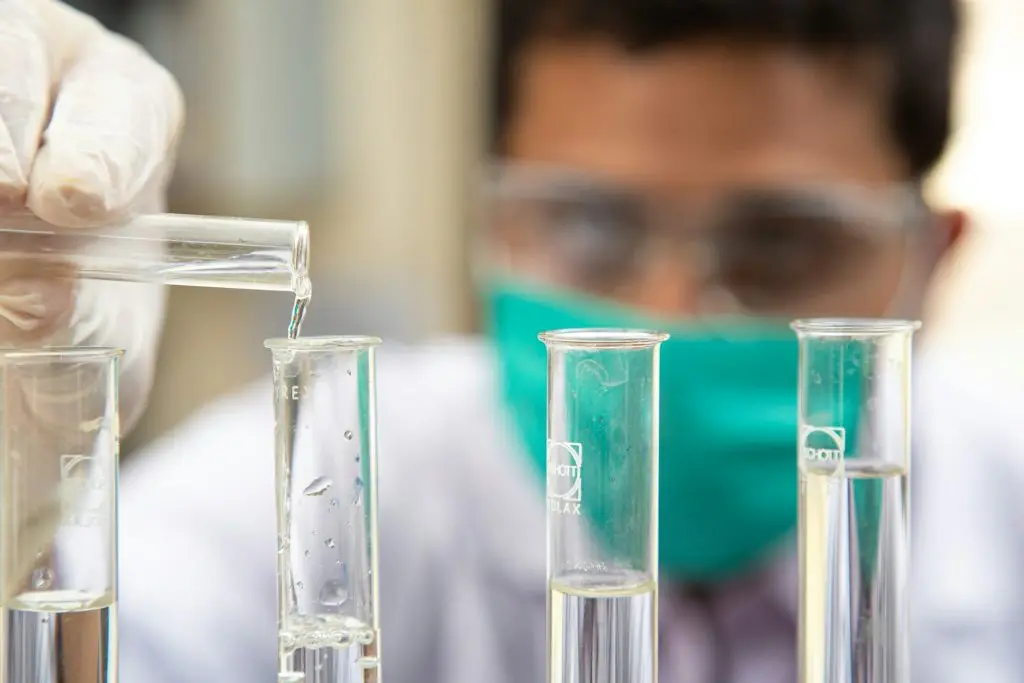
Proper sample collection is critical, and small errors can dramatically skew results. Touching the inside of the sample container, using an unclean bottle, or failing to follow instructions can introduce contamination that has nothing to do with your actual water quality.
Always follow collection guidelines precisely, using the containers and procedures the laboratory provides.
Flushing or Not Flushing at the Wrong Time
Whether to run the water before collecting a sample depends on what you’re testing for. For lead testing, a first-draw sample after water has been sitting is often required, since this reveals contamination from pipes. Flushing the line first in this case would mask the very problem you’re trying to detect. Misunderstanding these requirements leads to inaccurate results.
Testing at the Wrong Location
Water quality can vary between taps within the same property. Testing only one faucet may miss issues present elsewhere, such as a specific fixture with lead components or a rarely used tap harboring bacteria. Consider where and why you’re testing to capture an accurate picture.
Ignoring Timing and Sample Handling
Some contaminants, especially bacteria, require prompt analysis. Delays between collection and testing, or improper storage such as leaving samples in a hot car, can alter results. Samples must be delivered to the lab within the recommended timeframe and under proper conditions.
Testing for the Wrong Parameters
Not every test covers every contaminant. People sometimes test for a limited set of parameters and assume their water is completely safe, overlooking hazards that weren’t included. Understanding which contaminants are relevant to your property ensures comprehensive, meaningful testing.
Testing Only Once and Forgetting About It
Water quality is not static. Plumbing changes, seasonal variations, construction, and aging infrastructure can all alter your water over time. Testing once and assuming the results hold indefinitely is a common and risky mistake. Regular testing is key to ongoing safety.
Why Professional Testing Prevents These Mistakes
Working with a professional laboratory eliminates many of the errors that plague do-it-yourself testing. Experts provide proper containers, clear instructions, and accredited analysis that delivers reliable results.
The Advantages of Professional Analysis
- Accurate detection: Certified labs can detect contaminants at precise, meaningful levels.
- Proper protocols: Guidance on sample collection, timing, and handling ensures valid results.
- Comprehensive testing: Professionals help identify which contaminants matter for your specific situation.
- Expert interpretation: Results are explained clearly, with practical recommendations for next steps.
How to Ensure Accurate Water Testing
Avoiding mistakes comes down to preparation and following best practices. Keep these principles in mind.
- Choose accredited testing: Rely on certified laboratories for results you can trust.
- Follow instructions exactly: Use provided containers and adhere to collection procedures.
- Test the right parameters: Identify the contaminants relevant to your property and concerns.
- Mind the timing: Deliver samples promptly and store them correctly before analysis.
- Test regularly: Establish a routine testing schedule to catch changes over time.
- Seek expert guidance: Work with professionals who can interpret results and recommend solutions.
Who Should Be Especially Careful
Certain situations demand extra attention to testing accuracy.
Owners of Older Properties
Older buildings are more likely to contain lead pipes and corroded plumbing, making accurate, professional testing especially important for detecting hidden hazards.
Property Managers
Managers responsible for multiple units and tenant safety cannot afford unreliable results. Proper testing protocols protect both occupants and compliance obligations.
Well Water Users
Those relying on private wells, which lack municipal oversight, must be particularly diligent about comprehensive, accurate testing for contaminants like nitrates and bacteria.
Frequently Asked Questions
Are at-home water test kits reliable enough?
At-home kits offer convenience but often lack the sensitivity and accuracy of professional testing. For serious concerns like lead or bacteria, accredited laboratory analysis provides far more reliable and actionable results.
What is the most common mistake people make when testing water?
Improper sample collection is among the most common and damaging mistakes. Contaminating the sample or failing to follow instructions can produce misleading results that don’t reflect your actual water quality.
Does it matter what time of day I collect my sample?
It can, depending on the test. For lead testing, a first-draw sample after water has been sitting is often required to reveal pipe contamination. Following the specific protocol for your test is essential for accuracy.
How often should I test my water?
Testing at least once a year is recommended, with more frequent testing for older buildings, well water, or after plumbing work. Water quality changes over time, so a single test is never a permanent guarantee.
Why should I use a professional lab instead of testing myself?
Professional labs provide accurate detection, proper collection protocols, comprehensive testing, and expert interpretation. This combination eliminates common mistakes and delivers results you can confidently act upon.
Test Your Water the Right Way for Results You Can Trust
Testing your water is a smart, responsible step, but only when it’s done correctly. From flawed sample collection to relying on limited home kits, the common mistakes people make can undermine the accuracy and value of their results. Avoiding these pitfalls ensures that the decisions you make about your water are based on data you can genuinely trust.
Contact Olympian Water Testing today to ensure your water is tested the right way and gain the confidence that comes from truly reliable results.