
Managing a multi-family apartment property in Kingsbridge comes with a unique set of responsibilities. Property managers and landlords must balance tenant satisfaction, operational overhead, and strict municipal safety standards. Within this framework, ensuring consistent access to safe, clean drinking water is paramount.
However, water testing in a large apartment building is far more complex than testing a standalone single-family home. Because multi-family housing features intricate, interconnected plumbing loops, a haphazard approach to water monitoring can easily miss hidden contamination.
To truly protect residents and shield properties from liability, landlords must move past generic, superficial testing methods. Implementing a smarter, strategically designed sampling plan backed by certified laboratory analysis is the only reliable way to understand the systemic health of a building’s water infrastructure.
The Complexity of Multi-Family Plumbing Systems
Unlike a single-family home, which typically features a direct, short pipeline from the municipal main to a handful of faucets, apartment buildings rely on vast, complex network configurations. Water may travel through hundreds of feet of riser pipes, distribution loops, and internal branches before reaching a tenant’s kitchen or bathroom tap.
[Municipal Main] ──► [Central Riser] ──► [Horizontal Branches] ──► [Stagnant Dead Legs] ──► [Individual Tenant Taps]
This extensive infrastructure introduces significant variables that alter water quality from one unit to the next:
- Stagnation and Dead Legs: In large buildings, certain units or specific pipe branches may sit vacant for weeks or months. This lack of flow creates “dead legs” where water stagnates, depleting chemical disinfectants like chlorine and allowing harmful biofilms to develop.
- Varying Pipe Materials: Over decades of repairs and upgrades, an apartment building’s plumbing can become a patchwork of different materials. A single property might feature a mix of original galvanized iron, newer copper risers, and localized plastic piping.
- Pressure and Temperature Fluctuations: Large-scale domestic hot water loops can experience localized temperature drops, creating ideal breeding grounds for opportunistic pathogens if the system isn’t monitored systematically.
Because of these internal dynamics, testing water from a single ground-floor utility room tells you almost nothing about what a tenant is drinking on the fifth floor.
Why Simple Screening Strips Fail the Multi-Family Test
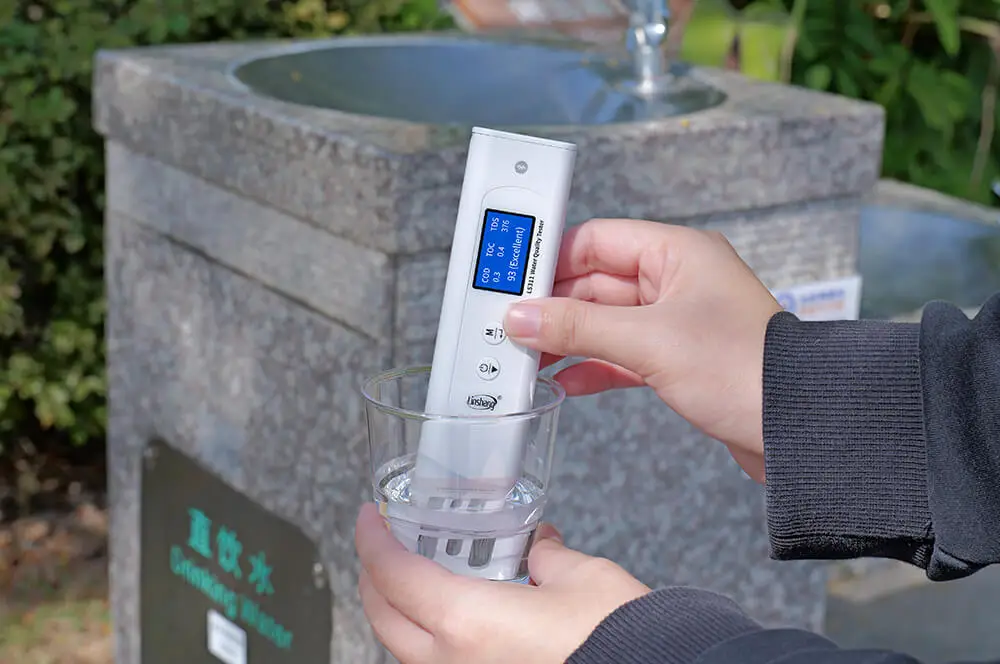
When a tenant raises a concern about the taste, smell, or color of their water, a quick fix is tempting. A property manager might grab an over-the-counter DIY test strip to quickly check the unit. While well-intentioned, this approach is fundamentally flawed for commercial residential settings.
DIY screening kits lack the sensitivity required to detect trace heavy metals like lead or copper, which can leach from aging brass fixtures or older solder points without altering the water’s appearance. Furthermore, a simple paper strip cannot differentiate between harmless environmental bacteria and dangerous waterborne pathogens like Legionella pneumophila or E. coli.
Relying on coarse, uncertified screening methods leaves landlords blind to low-level, chronic contamination risks. A certified laboratory analysis provides parts-per-billion precision and comprehensive microbiological verification, turning guesswork into actionable, legally defensible data. For property owners managing extensive residential portfolios, prioritizing this level of rigor through dedicated residential testing channels is a necessary standard of care.
Designing a Smart Sampling Protocol
A smart sampling plan does not mean testing every single faucet in a 100-unit building every month—that would be logistically and financially impractical. Instead, a smart plan utilizes a representative, risk-based targeting strategy to capture an accurate snapshot of the entire property.
An effective multi-family sampling plan should include:
- Baseline Point-of-Entry (POE) Samples: Testing water directly where it enters the building from the municipal main clarifies whether a quality issue originates from the city supply or the building’s internal plumbing.
- Distal Point Testing: Samples should be collected from the furthest units on the highest floors to evaluate water quality after it has traveled through the maximum length of the internal riser system.
- High-Risk Target Units: Actively sampling units located near known dead legs, recently renovated lines, or apartments with historically low occupancy rates.
- First-Draw vs. Flushed Samples: Collecting the very first water out of a tap after it has sat overnight (first-draw) captures localized lead or copper leaching. Collecting a sample after running the tap for several minutes evaluates the quality of the water sitting in the main risers.
By structuring a sampling matrix this way, property managers can isolate variables and pinpoint the exact source of any structural degradation.
The Local Structural Reality
Infrastructure risks are rarely uniform across a municipality; they are deeply tied to the historical development of specific areas. The architectural landscape of Kingsbridge is highly diverse, featuring a mix of mid-century brick apartment blocks, pre-war residential complexes, and newer multi-family developments.
Older residential structures are significantly more likely to contain legacy plumbing components, such as lead-soldered copper joints or older brass fittings that are highly susceptible to corrosion. Conversely, newer properties might face issues related to improper system commissioning or biological growth in complex, low-flow loops.
Because these variables shift from block to block, having an analytical partner that understands the regional infrastructure trends across various Bronx neighborhoods is invaluable. This localized expertise allows property managers to tailor their sampling plans to the specific age, style, and historical risks associated with their exact location.
Maintaining Broader Systemic Health
A smart water sampling plan is also an essential component of broader asset management. Corrosive, unbalanced water doesn’t just impact health; it actively destroys building infrastructure. High acidity or improper mineral balances can cause pinhole leaks in copper pipes, accelerate the rusting of iron risers, and cause catastrophic scale buildup in centralized water heaters and booster pumps.
[Imbalanced Water Chemistry] ──► Pinhole Leaks & Scale ──► Premature Failure of Building Systems
By tracking parameters like pH, alkalinity, and hardness through routine laboratory testing, facility managers can intercept water chemistry issues before they lead to thousands of dollars in emergency plumbing repairs. Protecting these vital building systems preserves the long-term asset value of the property and ensures operational continuity for all residents.
If you are a property manager trying to determine how often to test, which parameters to include, or how to handle a tenant water complaint legally, reviewing a professional FAQ database can provide clear, regulatory-compliant guidelines to help structure your operational policies.
Protect Your Tenants and Your Investment
In the modern real estate market, reactive management is no longer sufficient. Waiting for a tenant to complain about discolored water or, worse, dealing with a health department citation following a waterborne illness event can devastate a property’s reputation and profitability.
Implementing a proactive, certified water sampling plan shifts your management style from defensive to strategic. It gives you the empirical data needed to verify safety, optimize maintenance schedules, and demonstrate a verifiable commitment to tenant health.
Do not rely on basic screening strips to protect your multi-family property. Secure definitive, certified clarity regarding your building’s water quality by connecting with our team through our contact page to develop a smart, customized sampling plan for your property today.