From ancient rulers to modern communities, the pursuit of clean water has shaped civilizations for millennia, and today that same pursuit lives on through water testing laboratories in Queens that help homeowners, property managers, and residents protect their most essential resource. Long before certified labs existed, history’s most influential queens championed water conservation, sanitation, and access, laying the groundwork for the science-driven water stewardship we rely on now.
This article explores the remarkable water conservation initiatives led by queens throughout history and connects those lessons to the practical realities of maintaining safe, clean water in the New York City borough that shares their name. Whether you manage a multi-family property or simply want to safeguard your household, understanding this legacy makes the case for reliable water testing clearer than ever.
Why Queens Have Always Cared About Water
Water has never been a simple convenience. For much of human history, it determined whether a kingdom thrived or collapsed. Female rulers, often responsible for the welfare of entire populations, recognized that clean and reliable water was inseparable from public health, agriculture, and social stability.
Many queens invested political capital and royal treasuries into aqueducts, cisterns, wells, and irrigation systems. Their initiatives were early forms of what we now call water resource management. The through-line from those efforts to modern water quality analysis is direct: both are rooted in the understanding that water must be not only available, but safe.
Historic Queens Who Led Water Conservation Efforts
While records from antiquity are incomplete, several notable female rulers are credited with advancing water infrastructure and conservation. Their stories illustrate a timeless principle that resonates with today’s water testing priorities.
Cleopatra of Egypt
Egypt’s prosperity depended entirely on the Nile. Cleopatra VII understood the river’s central role in irrigation and drinking water and supported infrastructure that managed seasonal flooding and distribution. Her reign reflected a sophisticated grasp of how water availability shaped economic strength and public well-being.
Queen Zenobia of Palmyra
Ruling a desert empire, Zenobia relied on carefully engineered water systems to sustain her capital. Palmyra’s aqueducts and reservoirs were essential to survival in an arid climate, and their maintenance was treated as a matter of state security.
Queen Isabella I of Castile
Isabella supported public works that improved urban sanitation and water access across her territories. Her administration recognized that healthy cities required clean, well-managed water supplies, a philosophy that foreshadowed modern municipal water standards.
Empress Wu Zetian of China
As China’s only female emperor, Wu Zetian oversaw significant investment in canals, irrigation, and flood control. These projects supported agriculture and reduced waterborne disaster, demonstrating that conservation and safety went hand in hand.
Ancient Water Wisdom Meets Modern Water Testing
The queens above operated without laboratories, microscopes, or chemical assays. They relied on observation, engineering, and hard-won experience. Today, we have precise tools to accomplish what they could only estimate: confirming whether water is truly safe.
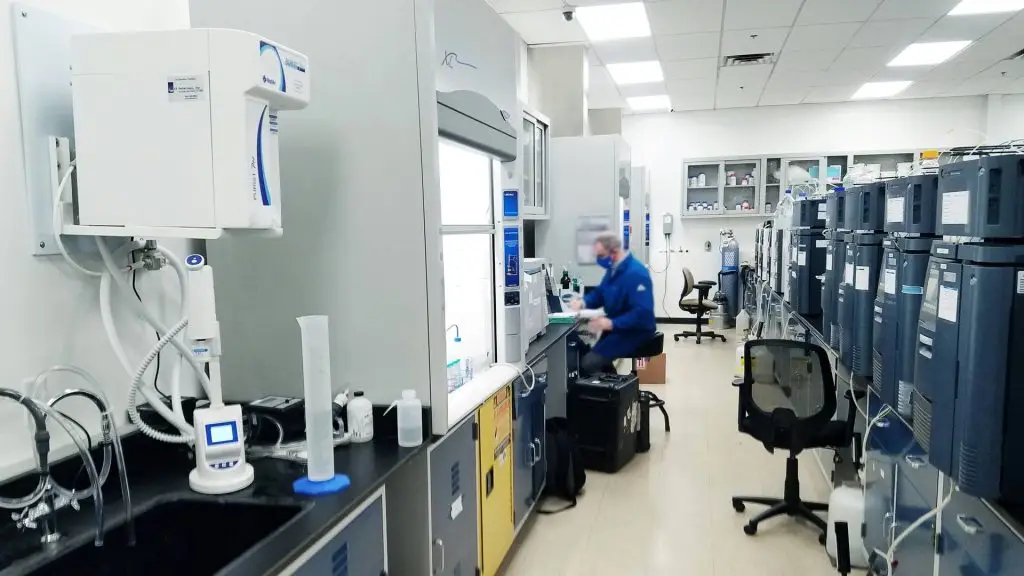
Modern water testing laboratories in Queens and the surrounding region carry forward this ancient responsibility using accredited methods. Instead of guessing, homeowners and property managers can measure exactly what is in their water, from bacteria and lead to nitrates and hardness minerals.
What Historic Leaders Got Right
- Prevention over reaction: They built infrastructure before crises struck, much like scheduling routine water testing before contamination becomes a health issue.
- Community-wide responsibility: Clean water was treated as a shared resource, echoing how property managers protect multiple households today.
- Long-term investment: Aqueducts were built to last generations, mirroring the value of consistent, ongoing water quality monitoring.
Water Quality Concerns in Queens, New York Today
The borough of Queens is home to a large, diverse population living in everything from single-family homes to sprawling apartment complexes. While New York City’s public water supply is well regarded, water quality can change dramatically between the reservoir and your tap.
Common Reasons Local Water Quality Varies
- Aging plumbing: Older buildings may contain lead pipes or corroded fittings that introduce contaminants.
- Private wells: Some properties rely on well water that is not covered by municipal testing.
- Storage tanks: Rooftop and building tanks can accumulate sediment, bacteria, or debris over time.
- Renovations and disturbances: Construction can disturb pipes and temporarily affect water quality.
These realities explain why relying solely on municipal reports is not enough. Testing at the point of use gives an accurate picture of what residents actually consume.
Who Benefits Most From Professional Water Testing
Just as historic queens protected entire populations, today’s decision-makers can protect the people who depend on them.
Homeowners
Homeowners benefit from peace of mind, especially in older properties. Testing identifies risks like lead, bacteria, or excessive hardness before they affect health or damage appliances.
Property Managers
Property managers carry legal and ethical responsibility for tenant safety. Regular testing supports compliance, reduces liability, and builds trust with residents.
Local Residents and Renters
Even renters can request or arrange testing to confirm their water is safe, particularly if they notice unusual taste, odor, or discoloration.
What Comprehensive Water Testing Covers
A reputable laboratory evaluates a wide range of parameters to give a complete water quality profile.
- Bacteria: Including coliform and E. coli, which indicate potential contamination.
- Lead and heavy metals: Serious health risks often linked to older plumbing.
- Nitrates and nitrites: Especially important for well water users.
- pH and hardness: Factors that affect taste, plumbing, and appliance longevity.
- Chlorine and disinfection byproducts: Balancing safety with acceptable levels.
Lessons for Modern Water Stewardship
The queens of history teach us that water conservation is not a passive act. It requires intention, investment, and vigilance. Their aqueducts and reservoirs were monuments to foresight, built for the health of future generations.
You may not command an empire, but you hold the same fundamental power over the water your household or building consumes. Choosing to test your water is a modern continuation of that royal responsibility, transforming ancient wisdom into practical protection.
Frequently Asked Questions
How often should I test my water in Queens?
Most experts recommend testing at least once a year for households on municipal water and more frequently for private wells or older buildings. Property managers with storage tanks may benefit from more regular schedules.
Is New York City tap water safe to drink?
The city’s source water is generally high quality, but conditions inside individual buildings, such as aging pipes and storage tanks, can affect what comes out of your tap. Point-of-use testing is the only way to confirm your specific water quality.
What signs suggest I should test my water immediately?
Unusual taste, cloudiness, discoloration, a metallic or rotten-egg odor, or recurring stomach issues among residents are all reasons to arrange testing promptly.
Can renters request water testing?
Yes. Renters can arrange independent testing or ask their property manager to provide recent results, especially when quality concerns arise.
Does water hardness affect my home?
Hard water can leave mineral buildup, reduce appliance efficiency, and affect the taste of your water. While not typically a health hazard, it is worth monitoring for cost and maintenance reasons.
Protect Your Water the Way History’s Queens Protected Their Kingdoms
The legacy of water conservation stretches from ancient royal courts to your own home, and safeguarding your water has never been easier. Just as history’s greatest queens invested in clean, reliable water for their people, you can take that same protective step today with professional, accredited testing.
Olympian Water Testing brings modern precision to this timeless responsibility, helping homeowners, property managers, and residents throughout Queens confirm that their water is clean, safe, and healthy. Don’t leave your water quality to chance. Reach out to Olympian Water Testing to schedule a comprehensive analysis and continue a tradition of stewardship that Queens began centuries ago.